Why We Install It: Pergola Kit Assembly Done Right
When a big box arrives on your driveway with a pergola kit inside, the excitement is real. You picture summer afternoons in the shade, string lights overhead, and a place to enjoy the yard. Then you open the box and see the manual. Suddenly the project looks less like a weekend upgrade and more like a puzzle with hundreds of parts, no instructions for the ground conditions, and a lot of ways to get it wrong.
That is where professional installation changes everything. The phrase "We Install It" captures exactly what makes the difference between a pergola that stands for years and one that wobbles in the first windstorm. It is not just about putting parts together. It is about understanding how the whole system works from the ground up.
Why Pergola Kit Assembly Is Trickier Than It Looks
Pergola kits from brands like Sunjoy, Backyard Discovery, Palram, and Keter are designed to be assembled by a motivated homeowner. The engineering is sound, the materials are good, and the instructions are usually clear. But there is a gap between reading a step and executing it on uneven ground with a single wrench and a hope that everything lines up.
The real challenges start before the first piece of lumber or aluminum touches the ground. A pergola needs a level base. If the ground slopes, the entire structure tilts. If the anchoring is shallow or uses the wrong hardware, the pergola becomes a hazard in moderate wind. These are not problems you can fix after the frame is up.
Pergola kit assembly is also a test of patience. Parts must be sorted, fasteners matched, and panels aligned. A vinyl pergola from a retailer like Costco or Home Depot might come with dozens of screws, brackets, and small connectors. Missing one step early in the process can mean taking apart half the structure later. That is the kind of frustration that turns a dream project into a storage shed for unopened boxes.
Anchoring Systems Matter More Than Most People Think
Anchoring is the part of a pergola installation that gets the least attention from DIY guides. Most manuals show a generic concrete base or a set of ground stakes. They assume the soil is perfect and the weather is mild. In real conditions, anchoring systems need to match the site.
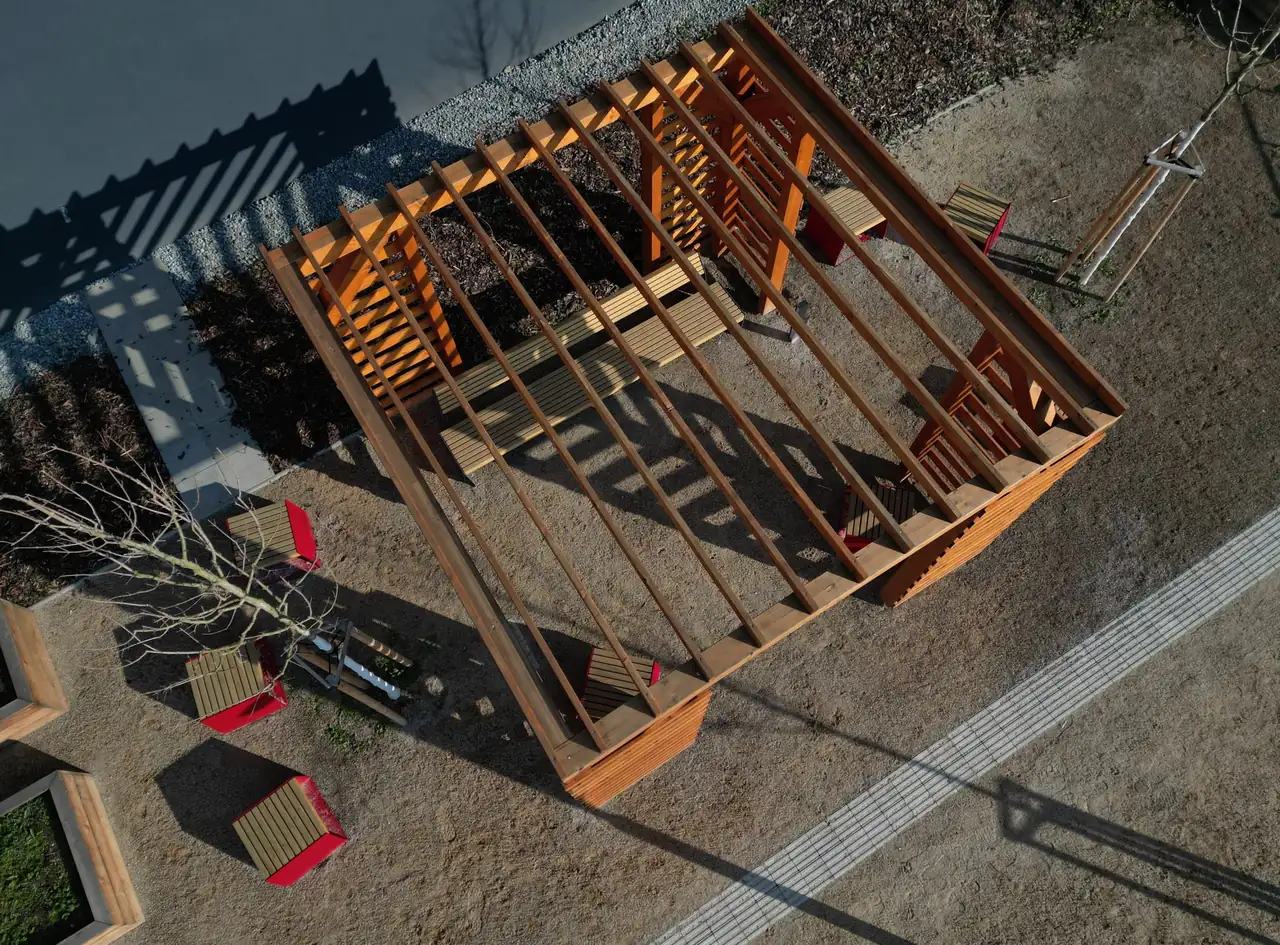
A CEDAR pergola sits differently on a patio than an aluminum pergola does on a lawn. CEDAR is heavy and stable, but it can shift if the posts are not secured into concrete footings. Aluminum pergolas are lighter and can be more vulnerable to uplift if the anchoring is not deep enough. Vinyl pergolas, often sold at Walmart and Amazon, need careful attention to the brackets that hold the frame to the ground. Each material behaves differently, and the anchoring solution has to account for that.
The phrase "We Install It" takes on real meaning when you consider the anchoring work. A professional installation includes reviewing the ground conditions, choosing the right hardware for the soil type and climate, and making sure the structure is secured to local building standards. That is not something you can learn from a YouTube video. It comes from experience with different pergola kits and different sites.
Weatherproofing and Long-Term Performance
A pergola that goes up in July should still look good in February. Weatherproofing is not an afterthought. It is part of the installation process. Sealing exposed fasteners, checking that drainage paths are clear, and making sure the roof panels are properly gasketed all affect how long the pergola lasts.
DIY pergola builders often skip these steps because they do not know they matter. A pergola kit from Backyard Discovery or Palram comes with weatherproofing materials, but they only work if they are installed correctly. If the roof panels are overlapped the wrong way, water pools. If the screws are not sealed, rust starts. If the posts sit in standing water because the ground slopes toward the structure, the base rots or corrodes.
Professional installers understand the sequence of weatherproofing. They know that a small bead of sealant in the right place can prevent years of damage. They also know that the one-year labor warranty on a professional installation covers issues that come from improper assembly. That warranty is not just a piece of paper. It is a commitment that the structure will perform as designed.
The DIY Pergola Trade-Off
There is nothing wrong with wanting to build your own pergola. Many people enjoy the process and learn a lot along the way. But the difference between a DIY pergola and a professionally installed one is not about skill level. It is about time, tools, and the ability to handle surprises.
A DIY pergola project can take a full weekend or more. That assumes no mistakes, no missing parts, and no weather delays. If something goes wrong, the project stretches into the next weekend, and then the next. The cost of a missed work day or a ruined Saturday is something people do not calculate when they buy the kit.
Professional pergola installation compresses that timeline into a single day or two. The crew shows up with the right tools, the experience to read the manual quickly, and the knowledge to handle problems on the spot. When you say "We Install It," you are buying back your time and your peace of mind.
Brands and Retailers: What the Kit Includes
The pergola kit itself is only part of the equation. Brands like Sunjoy and Keter produce excellent kits that are designed for easy assembly. Retailers like Costco, Home Depot, Amazon, and Walmart make it convenient to buy them. But the kit is a collection of parts. It does not include the skill to put them together.
Some retailers offer installation services, but the quality varies. The key is to find an installer who works with multiple brands and understands the specific requirements of each. A Sunjoy pergola might have a different anchoring system than a Palram. A Keter structure might use different connectors than a Backyard Discovery. An installer who has seen all of them can adapt quickly and avoid the mistakes that come from assumptions.
What the One-Year Labor Warranty Covers
A one-year labor warranty on pergola installation is a practical guarantee. It covers workmanship issues that show up over time. If a fastener loosens, if a panel shifts, if the anchoring system settles differently than expected, the installer returns to fix it. That kind of coverage is rare in the DIY world. When a homeowner builds it themselves, there is no one to call when something goes wrong.
The warranty also reflects confidence in the installation process. It says that the installer has checked the work, tested the anchoring, and verified that the structure is stable. It is not a marketing gimmick. It is a promise backed by real experience.
Repeating the phrase "We Install It" in this context is not just about the act of assembly. It is about taking responsibility for the outcome. It means the pergola will stand up to weather, will stay level, and will be safe for the family to use. That is the value of professional installation.
Choosing the Right Pergola Kit for Your Space
Before installation happens, the right pergola has to be selected. The choice between a CEDAR pergola, an aluminum pergola, and a vinyl pergola depends on the site and the look you want. CEDAR offers a natural feel and blends with garden settings. Aluminum is low maintenance and works well in modern spaces. Vinyl is budget-friendly and easy to clean.
Each type has specific installation requirements. CEDAR needs protection from ground moisture. Aluminum needs careful grounding and attachment to avoid noise in the wind. Vinyl needs gentle handling to avoid cracking the panels. An experienced installer can guide these decisions, but the homeowner ultimately picks the style and the budget.
The installation step is where all that planning pays off. When you see the pergola standing straight, the roof panels locked in place, and the anchoring secure, you know the money was well spent.
Final Thoughts on Pergola Kit Assembly
Pergola kit assembly is a job that rewards attention to detail and patience. It is not a job that rewards shortcuts. The difference between a pergola that lasts and one that needs repairs every season is often the quality of the installation. That is why the phrase "We Install It" matters. It represents a shift from hoping it works to knowing it works.
Whether the kit comes from Costco, Home Depot, Walmart, or Amazon, the same principles apply. The ground has to be prepared. The anchoring has to be right. The weatherproofing has to be thorough. And the labor warranty has to back it all up. That combination is what makes a pergola a permanent part of the home rather than a temporary structure that gets taken down after a few storms.
If you are considering a pergola for your yard, think about the whole process, not just the purchase. The kit is the beginning. The installation is what makes it real.